Why Holistic Education Matters
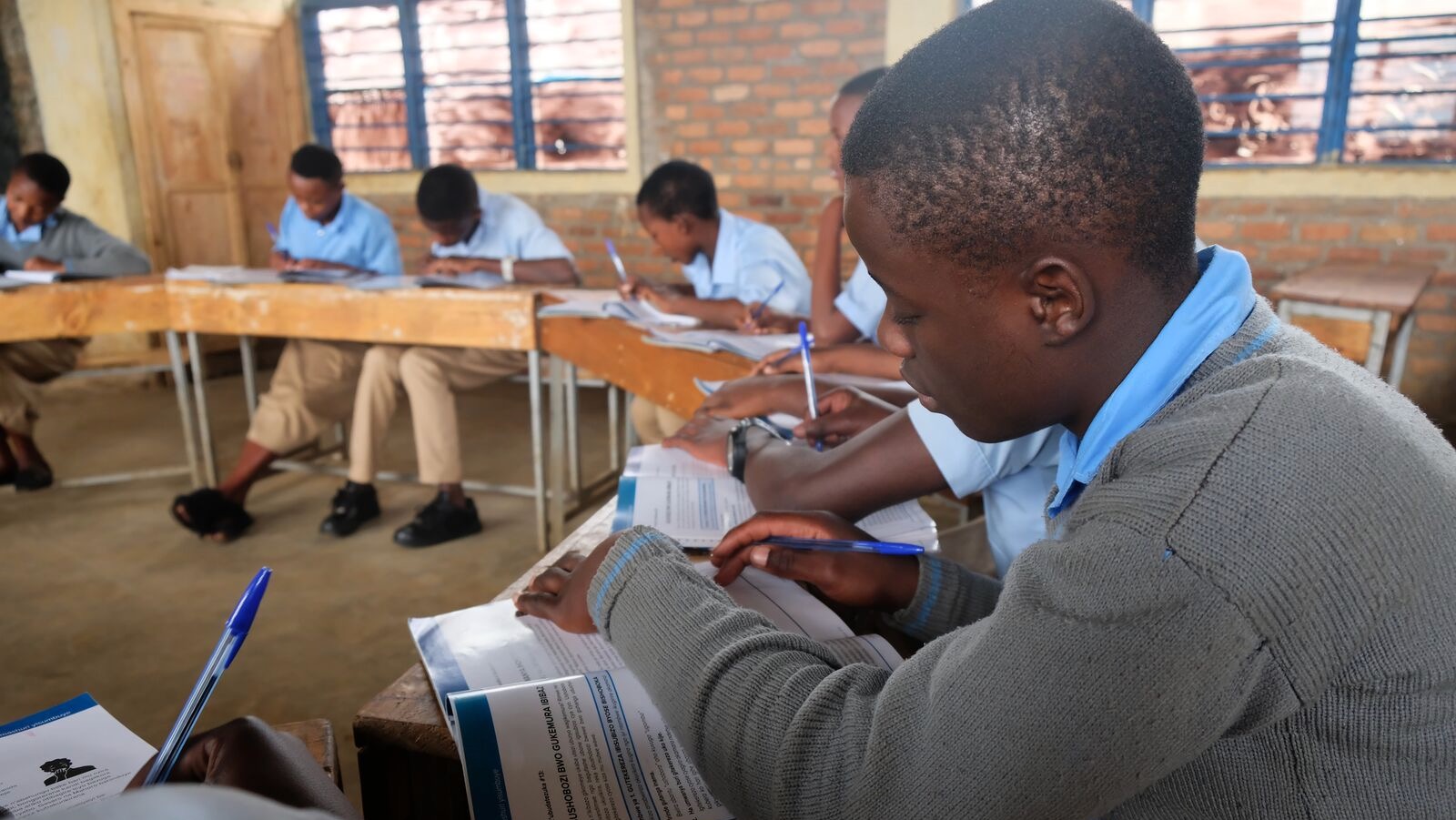
Each year on January 24, the global community observes the International Day of Education, established by the United Nations General Assembly to recognize education as a fundamental human right and a cornerstone of peace, sustainable development, and equality. This day offers an opportunity both to celebrate progress and to address persistent gaps within education systems worldwide.
While access to schooling has expanded in many contexts, millions of children and young people continue to face barriers to education due to poverty, family conflicts, discrimination, displacement, and other social challenges. World Bank data indicate that, globally, more than 40% of students who enroll in primary education do not reach upper secondary school by the expected age, underscoring the need for education systems that better support children throughout their learning journeys.
At The Wellspring Foundation for Education, our work recognizes that barriers to education are often interconnected. Addressing these barriers requires more than access alone—it calls for shifts in mindsets within families, stronger relationships within schools, and supportive environments where children can learn, grow, and reach their full potential.
The theme for International Day of Education 2026—The Power of Youth in Co-Creating Education— highlights the important role young people play as agents of change. It reflects a growing understanding that youth should not only be beneficiaries of education systems, but active contributors to their improvement; and that young people need safe, supportive spaces to share their perspectives and be heard.
Youth Participation in Education
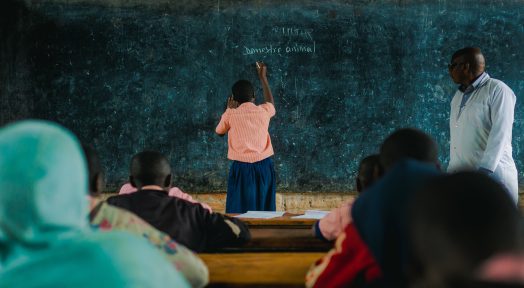
Youth participation in education goes beyond representation or consultation. It involves creating learning environments where young students are encouraged to engage meaningfully, reflect on their experiences, and take ownership of their learning.
Research and practice demonstrate that when learners develop social, emotional, and interpersonal skills alongside academic knowledge, they are better equipped to succeed in school and solve the real life issues they face.
This understanding aligns with a broader view of education that looks beyond grades to students’ social, emotional, and personal wellbeing. Education systems that attend to these dimensions are more responsive to the realities children and youth face and are better positioned to foster resilience, empathy, and responsible citizenship, the qualities which are essential for addressing real-world challenges.
Supporting Whole-Child Education
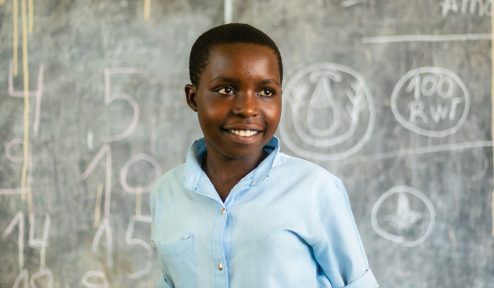
The importance of an education that focuses on the whole child is reflected in Wellspring’s holistic approach. We integrate social emotional learning (SEL) into everyday school experiences, and we focus on bringing together the wider school community—parents, teachers, and local leaders—to support children in learning that goes beyond academic outcomes.
Through SEL, young people develop skills such as self-awareness, emotional regulation, character formation, resilience, and respect for others. These tools contribute to healthier, more positive learning environments and support children’s overall development in ways that are critical for sustained school engagement and long-term success.
By embedding social emotional learning within the school context, our program recognizes children as active participants in their learning and supports educators in addressing both academic and non-academic needs. In doing so, we are contributing to education that is attentive to the whole child and responsive to the lived experiences of young learners.
Reflecting on International Day of Education
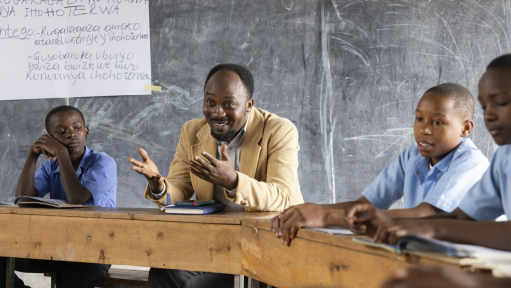
International Day of Education invites continued reflection on how education systems can evolve to meet the needs of children and youth in a changing world. The 2026 theme highlights the importance of listening to young people and creating environments where their perspectives meaningfully inform how learning takes place.
As educators across the globe mark this day, the focus remains on strengthening inclusive, equitable, and meaningful education that supports learning, wellbeing, and participation.
At Wellspring, this reflection reinforces our ongoing commitment to approaches that place children and youth at the centre of the educational process, and that recognize learning as a holistic experience involving the entire ecosystem around a child.